Launching in a New Retail Chain? A 30-, 60-, and 90-Day Shelf Audit Plan
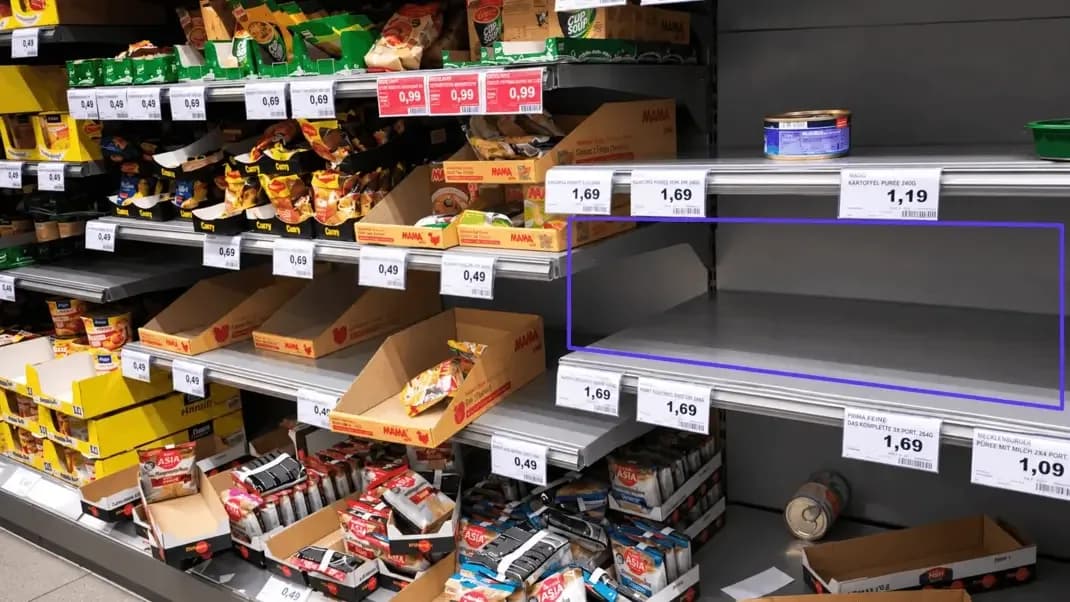
Getting into a new retail chain is a milestone. The next challenge is making sure shoppers can actually find and buy your products.
A confirmed listing or shipment does not tell you whether every location has placed the right variants on the shelf, displayed the correct prices, or maintained availability after the initial stock sells through.
A structured shelf audit plan gives your team evidence of how the launch is progressing. It also creates a record of issues, follow-up actions, and improvements you can bring to conversations with your retail buyer.
The following schedule is a suggested starting point. Align it with the retailer’s planned shelf-set dates, replenishment schedule, and promotional calendar.
Before the Launch: Define What Should Be on the Shelf
An audit needs a clear reference point. Before scheduling visits, document the expected setup:
Participating store locations and their planned launch dates.
Authorized SKUs and variants by location or store format.
Expected shelf placement and facings, where agreed.
Expected shelf prices and promotional offers.
Any approved secondary placements, such as endcaps or displays.
This preparation helps your team distinguish an execution problem from a difference in the agreed assortment.
A missing product does not automatically mean an out-of-stock issue. The store may not carry that SKU, the shelf set may be delayed, or the product may not yet have reached its assigned position. Record what the photos show and verify the cause with your retail partner.
Days 1–30: Verify the Launch Reached the Shelf
The first phase answers a straightforward question: Does the in-store setup match the launch plan?
Schedule initial checks shortly after each location’s expected shelf-set date. If the rollout is staggered, organize visits around those dates instead of using one calendar deadline for the entire chain.
Check that the expected products are present, shelf labels correspond to the correct variants, and shoppers can identify the brand. Photograph the full shelf section for context, then capture close-ups of specific issues.
What to check | What to document |
|---|---|
Product availability | Expected SKUs visible, missing, or showing empty shelf slots |
Placement | Main shelf location and any agreed secondary displays |
Presentation | Front-facing products, readable packaging, and an orderly brand block |
Pricing and labels | Visible shelf prices and labels matched to the correct products |
Promotions | Presence and accuracy of signage for scheduled offers |
When auditing a sample of stores, include a mix of regions, store formats, and launch dates. Be clear about which locations were checked; findings from those stores should not be presented as proof of conditions across the entire chain.
By day 30: Build a launch baseline showing what was verified, which locations need attention, and who will follow up.
Days 31–60: Check Availability and Revisit Problems
Once the initial setup is documented, the focus shifts to whether execution holds up.
Revisit locations with missing products, low stock, incorrect labels, or presentation problems. Include some stores that looked healthy during the first round so you can check whether conditions have changed.
Use consistent photo angles and the same checklist wherever possible. This makes comparisons easier and helps distinguish a resolved issue from one that keeps returning.
Pay particular attention to:
Low stock: Are visible quantities repeatedly running low?
Empty shelf positions: Are expected products still missing on return visits?
Shelf presentation: Are products turned, misplaced, or difficult to identify?
Brand space: Are neighboring products occupying the expected placement?
Promotional execution: Is signage correct during the agreed promotional period?
A shelf photo records a moment in time. It does not establish why stock is low or how long a gap has existed. Combine the evidence with sales, inventory, and retailer feedback when investigating the cause.
By day 60: Maintain a follow-up log that separates resolved findings, recurring problems, and new issues.
Days 61–90: Prepare Evidence for the Buyer Review
The final phase turns individual store observations into a useful launch review.
Repeat checks at previously audited locations to document change. If you add new stores, report those findings separately from the repeat visits so the comparison remains clear.
Your buyer review should explain:
What was checked and when.
Which launch requirements were met.
Which issues were resolved after follow-up.
Which problems appeared across repeated visits.
What action or clarification is needed next.
Include a small selection of dated, annotated photos rather than an unstructured folder of images. Pair each finding with a location, the expected condition, the observed condition, and a proposed next step.
For example, repeated photos of an empty position can support a discussion about replenishment. An assortment mismatch may require confirmation of store-level authorization instead.
By day 90: Prepare a concise review with documented progress, outstanding issues, and priorities for the next quarter.
Make Shelf Monitoring Part of the Launch
The value of a 30-, 60-, and 90-day plan comes from connecting each check to a follow-up action. A finding should have an owner, and a reported fix should have a verification step.
PlanoIQ helps CPG teams collect that evidence without sending their own field teams to every location. Field auditors photograph shelves, AI assists with the assessment, and a human reviewer confirms findings before reports are published. Annotated photos and store-level reports give teams a clear basis for follow-up with retail partners.
Launching in a new chain? Start with a free 10-store check to see how your products are appearing on the shelf.